
Village Museum Bucharest: Romania’s Open-Air Time Capsule
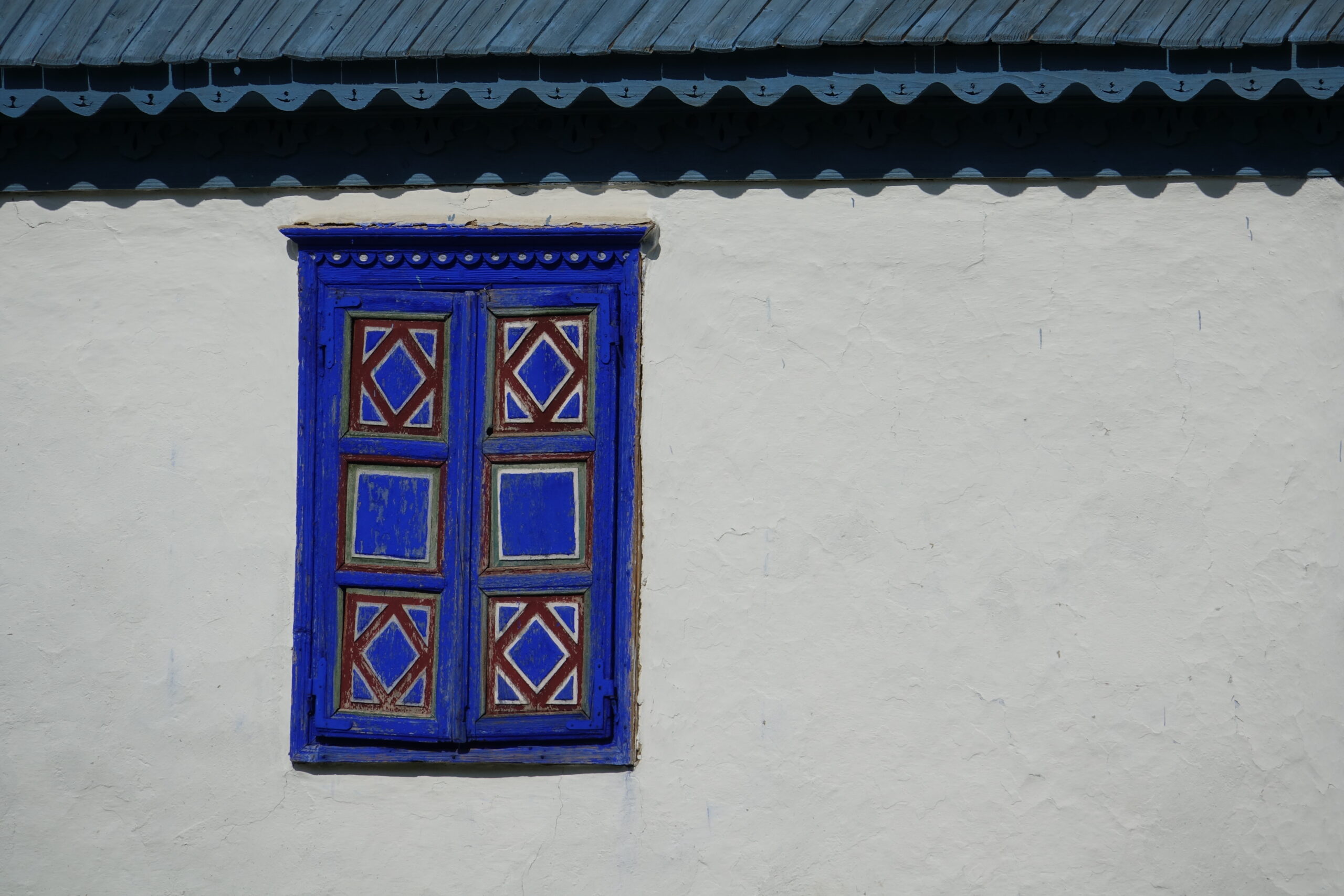
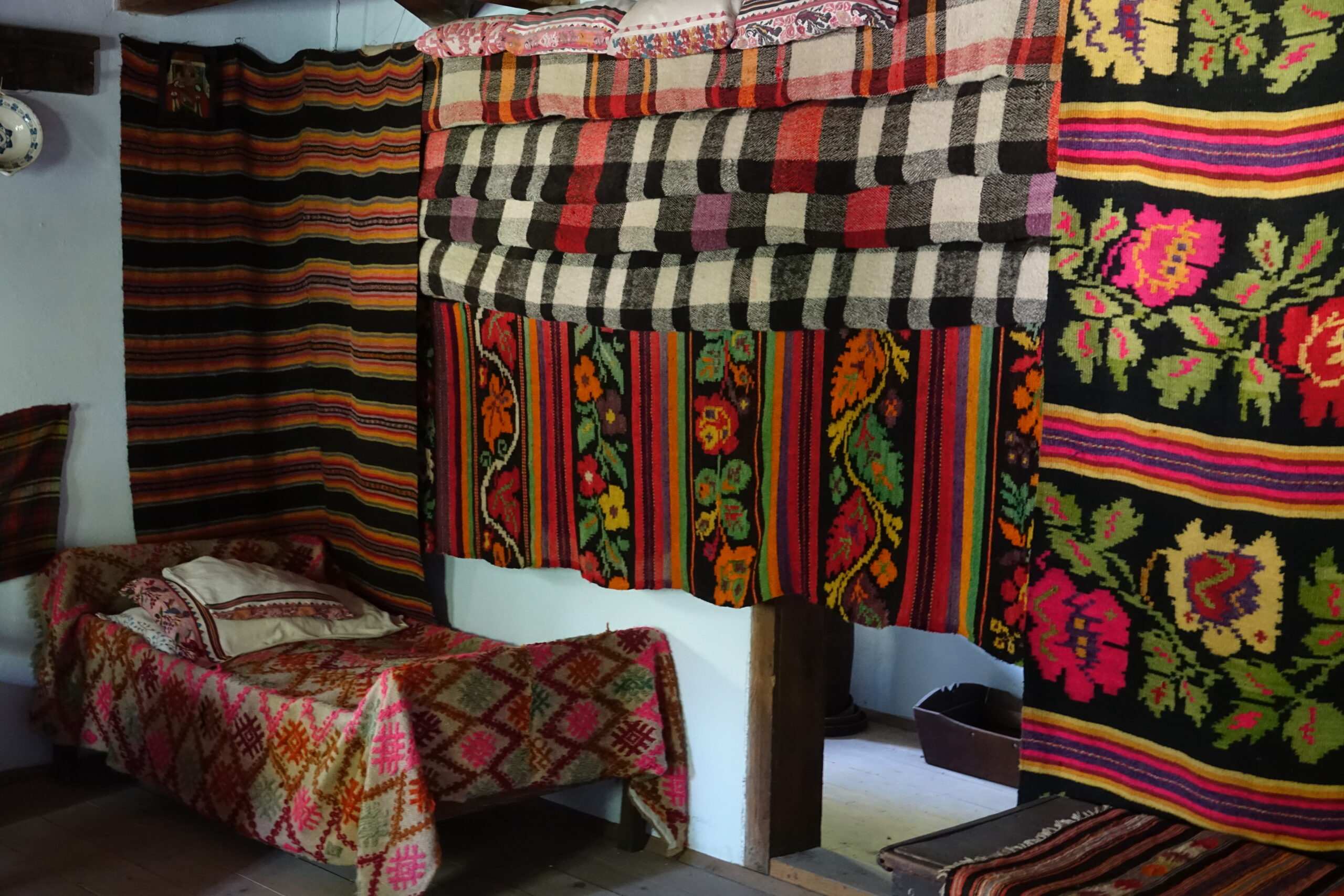
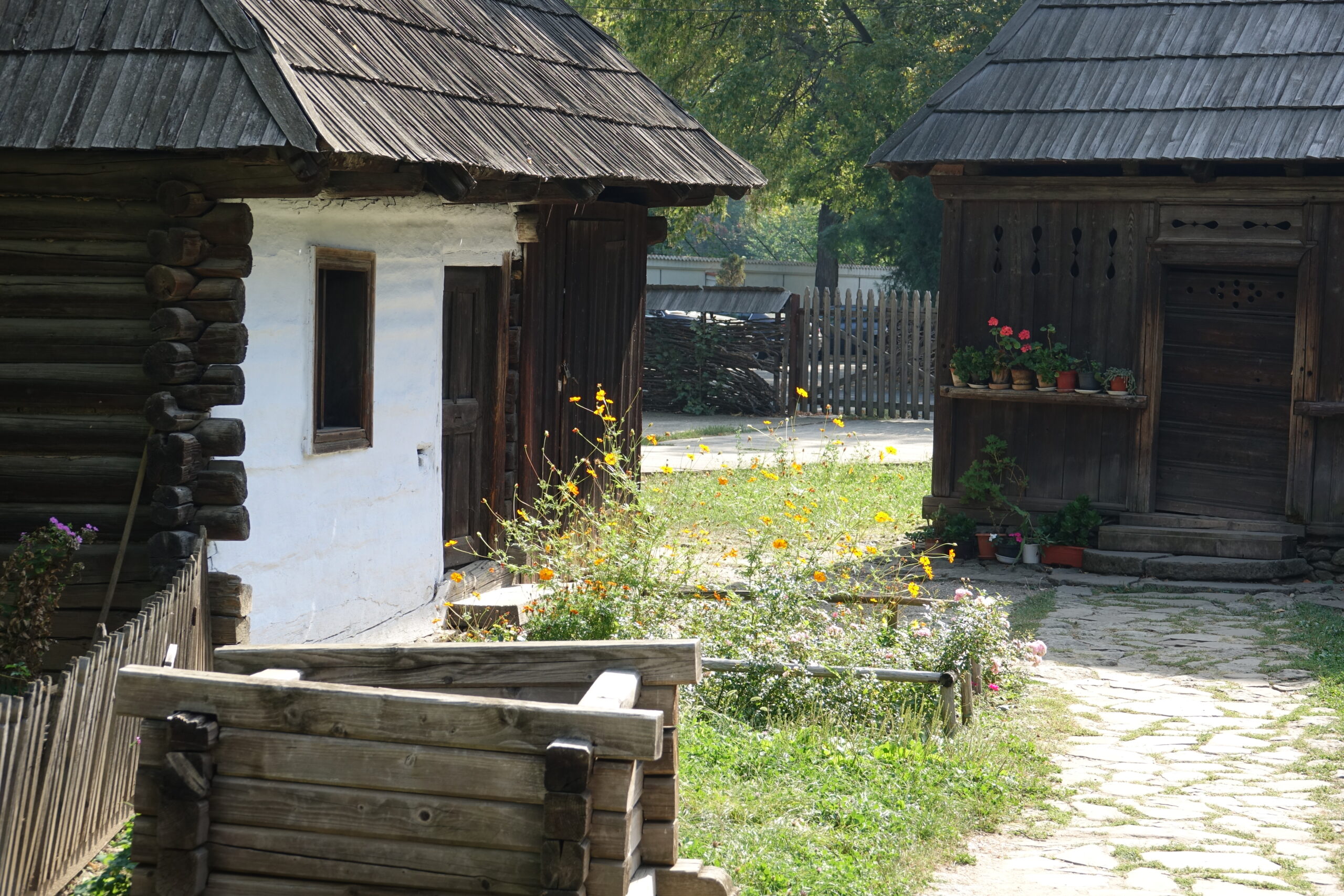
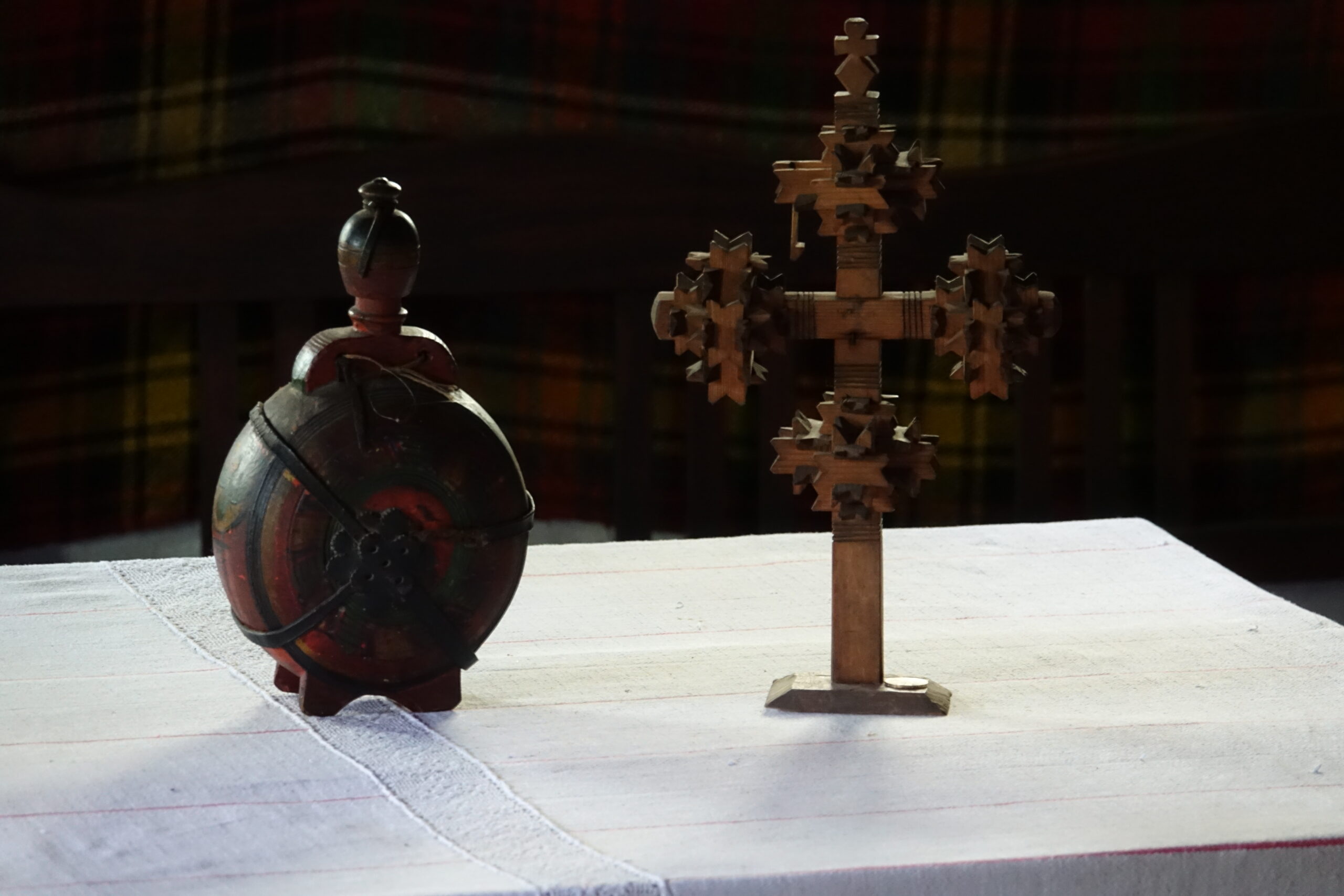
The Village Museum (Muzeul Satului) in Bucharest ranks among Romania’s top attractions, drawing over 300,000 visitors yearly. Europe’s first open-air ethnographic museum, it recreates rural life from eight Romanian regions using authentic 17th-19th century structures.
History and Founder
Inaugurated in 1936 by sociologist Dimitrie Gusti under King Carol II, it spans nealy 10 hectares in King Mihai I Parc, formerly know as Herăstrău Park. Early exhibits featured live peasants demonstrating crafts in relocated farmhouses—now a static display of 400+ buildings from Maramureș gateways to Dobrogea reed huts.
What to See: Key Highlights
-
Regional Houses: Maramureș carved gates (up to 6m tall), Transylvanian fortified churches, Banat watermills.
-
Churches: 52 wooden structures, including 18th-century Partoș church.
-
Crafts: Potteries, forges, looms with seasonal demos.
-
King Michael I Park – Herăstrău Park Context: Neighbors Princess Elisabeta’s former Royal Palace (now Royal House HQ); lake views from Rose Island ideal for picnics overlooking the museum
| Region | Iconic Feature | Unique Trait |
|---|---|---|
| Maramureș | Horsec Gate | Solar motifs, 5.5m height |
| Transilvania | Wooden Church | Manual bells |
| Oltenia | River Mill | Functional hydraulics |
| Dobrogea | Delta Hut | Reed mats |
Visit with us!
Book a private Bucharest tour to put the traditional and rural heritage into a wider context. Contact us at wheninbucharest@gmail.com or WhatsApp +40 723 179 233 for custom quotes (group discounts). Reply within 24h.

 English
 Italiano
 Français